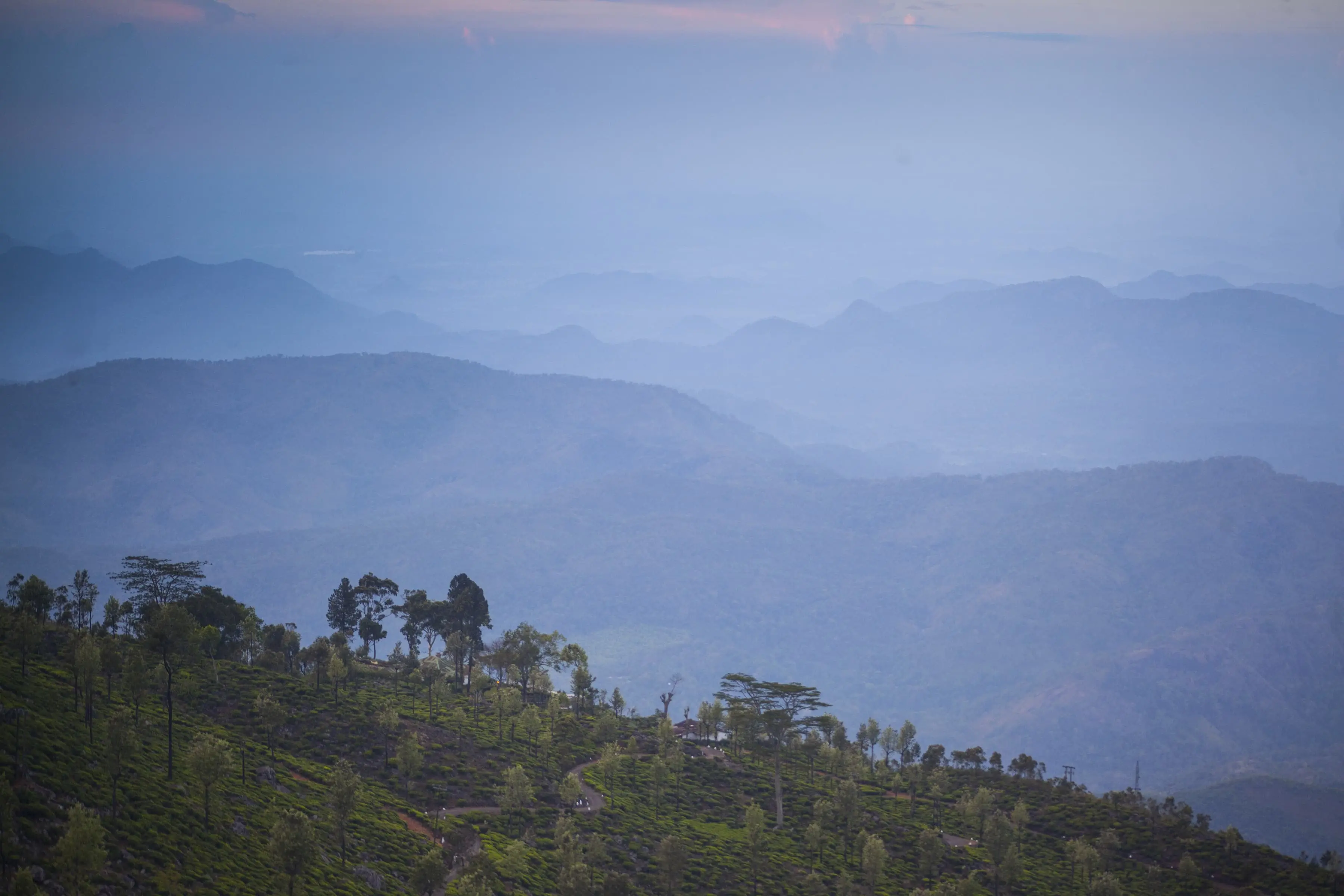


Nestled in the Satara district of Maharashtra, Mahabaleshwar is a charming hill station located in the Western Ghats. Just about 7 km away lies Old Mahabaleshwar, a serene and historical village perched on a vast plateau at an elevation of around 1200 ft.
Surrounded by valleys on all sides, this region experiences temperatures as low as 8°C during winter. Despite its tropical location, the low humidity keeps the climate pleasant even in summer. The monsoon season, however, brings heavy rainfall, nurturing dense forests rich in biodiversity. Wildlife enthusiasts may spot Indian gaur, giant Malabar squirrels, leopards, leopard cats, sloth bears, sambar deer, civets, mongoose, porcupines, and more.
A Blend of Nature, History, and Colonial Charm
Both Mahabaleshwar and Old Mahabaleshwar are dotted with scenic viewpoints, ancient temples, and architectural marvels. Many viewpoints were named during British colonial times, when the region served as a popular retreat.
One such iconic spot is Arthur's Seat, named after Sir Arthur Malet. After losing his wife and children in a tragic ferry accident on the Savitri River, Sir Arthur is said to have spent his days gazing at the river from this very point.
The Sacred Heart: Kshetra Mahabaleshwar
Locally known as “Kshetra Mahabaleshwar”, Old Mahabaleshwar is a deeply spiritual destination, home to three important temples:
Mahabaleshwar Temple
Panchganga Temple
Krishna Temple
There is also a Hanuman temple situated at the highest point, reaching 4721 ft above sea level.
The Mahabaleshwar Temple, located about 150 km from Pune and 340 km from Mumbai, attracts thousands of devotees during Maha Shivaratri. Built in 1215 AD in the Hemadpanti architectural style, the temple is believed to house sacred relics such as Shiva’s bed, damru, and trishul dating back around 300 years. Devotees believe that the mysteriously crumpled bedsheet found every morning signifies Lord Shiva’s presence at night.
Panchganga Temple and the Origin of Rivers
The Panchganga Temple is believed to be over 4500 years old, though historically it dates back to the 13th century when it was built by Yadava King Singhandeo. Later improvements were possibly made by Chandra Rao More and Shivaji.
This temple marks the confluence of five rivers:
Krishna River
Venna
Savitri
Koyna
Gayatri
It is believed that all five rivers originate from a sacred gomukh (cow’s mouth) inside the temple.
Krishnabai Temple: A Hidden Gem
A short trail behind Panchganga Temple leads to the serene Krishnabai Temple. Built in 1888 by a ruler from Ratnagiri, this temple overlooks the breathtaking Krishna Valley.
Featuring stone-carved pillars and ceilings, the temple houses a Shiva lingam and a statue of Lord Krishna. A stream flowing from a gomukh falls into a small water tank (kunda). Though partially in ruins and less visited, the temple offers stunning views and a peaceful atmosphere.
The Mythical Source of the Krishna River
Mahabaleshwar is regarded as the origin of the Krishna River, which flows across Maharashtra, Karnataka, Telangana, and Andhra Pradesh before reaching the Bay of Bengal.
Legend has it that the river emerges from a gomukh in the Mahadev temple, and that Krishna represents Lord Vishnu, resulting from a curse by Savitri on the Trimurti (Brahma, Vishnu, and Shiva). The tributaries Venna and Koyna are believed to symbolize Lord Shiva and Lord Brahma respectively.
Interestingly, apart from Krishna, three other rivers—Koyna, Venna (Veni), and Gayatri—also emerge from the same source before merging with the Krishna River. Meanwhile, the Savitri River flows westward into the Arabian Sea.
Natural Wonders and Scenic Attractions
Venna Lake
Venna Lake is one of the most popular attractions, surrounded by lush greenery. Surprisingly, winter temperatures here can drop between 0°C and 4°C. Occasionally, frozen dew creates a magical white landscape around the lake.
The Three Monkeys
A fascinating natural rock formation resembling three monkeys symbolizes Mahatma Gandhi’s “Three Wise Monkeys.”
Wilson Point
Wilson Point, named after Sir Leslie Wilson, stands at 1493 meters and is the highest point in Mahabaleshwar. It is the only place where visitors can witness both sunrise and sunset, offering panoramic views in every direction.
Nearby Attractions
Pratapgarh Fort – Built by Shivaji, this fort is famous for the historic battle where Afzalkhan, commander of the Bijapur army, was defeated.
Lingmala Waterfall – Cascading from a height of 600 feet, this stunning waterfall forms multiple tiers as it flows toward Venna Lake.
Final Thoughts
Mahabaleshwar is more than just a hill station—it is a harmonious blend of natural beauty, rich history, spiritual depth, and cultural legacy. Whether you’re seeking tranquility, adventure, or a spiritual escape, this destination offers an unforgettable experience in every season.